

The role of social dynamics in shaping gambling behaviors
Understanding Social Dynamics
Social dynamics refer to the interactions and relationships between individuals within a group. In the context of gambling, these dynamics play a crucial role in influencing individual behaviors and decisions. People’s choices are often affected by their social environment, including peer pressure, cultural norms, and shared experiences. For instance, in group settings, individuals may gamble more aggressively due to the influence of friends or family, leading to increased risk-taking behaviors. Furthermore, many bettors consult top 10 betting sites to enhance their overall experience and outcomes.

The impact of social dynamics can also be seen in the way individuals perceive gambling as a social activity. Many people view going to a casino or participating in online betting as a bonding experience. This perception can normalize gambling behaviors, making individuals more likely to engage in such activities, especially in social gatherings where the excitement and thrill of gambling are amplified.
The Influence of Peer Pressure
Peer pressure is a powerful force that shapes behavior, particularly among young adults. In gambling contexts, this influence can manifest in various ways, such as encouraging someone to place larger bets or try riskier games. The desire to fit in or impress peers can lead individuals to gamble beyond their means, contributing to potentially harmful habits.
Furthermore, the social acceptance of gambling can create an environment where excessive betting is not only tolerated but encouraged. This dynamic can lead to a cycle of increased gambling, where individuals feel compelled to continue participating to maintain their social standing, ultimately impacting their financial stability and mental health.
Cultural Norms and Gambling Attitudes
Cultural background significantly influences gambling behaviors and perceptions. In some cultures, gambling is embraced as an entertaining and socially acceptable pastime, while in others, it may be viewed negatively or as taboo. These cultural attitudes shape how individuals engage with gambling, including their likelihood of participation and the types of games they choose to play.
Additionally, cultural narratives around luck, skill, and fate can impact gambling strategies. Individuals from cultures that emphasize luck may be more inclined to take high risks in their gambling behavior, while those who value strategy may approach gambling with a more calculated mindset. Understanding these cultural influences can provide insights into why certain groups exhibit different gambling behaviors.
The Role of Technology and Social Media
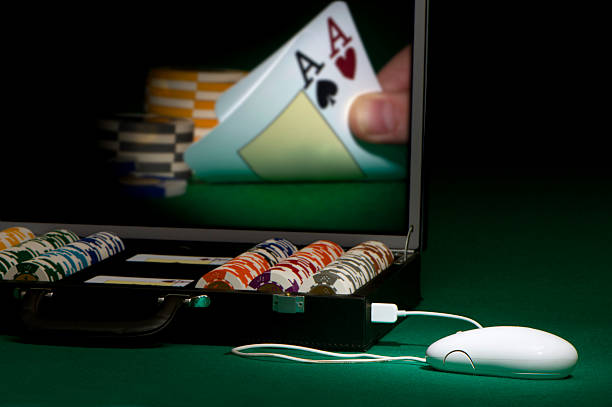
Technology and social media have transformed the gambling landscape, creating new dynamics in how individuals engage with gambling. Online platforms allow for easier access to gambling opportunities, often blurring the lines between social interaction and betting. Social media can amplify this effect by promoting gambling activities and creating a sense of community among bettors.
Moreover, social media influencers often play a significant role in shaping perceptions of gambling. By showcasing gambling wins and lifestyles, they can glamorize betting activities, making it more appealing to their followers. This can lead to increased participation among individuals who may otherwise have been hesitant, further embedding gambling into social behaviors.
Exploring Responsible Gambling Through Social Awareness
Understanding the role of social dynamics in gambling behaviors is essential for promoting responsible gambling practices. By raising awareness about the influences of peer pressure, cultural norms, and technology, individuals can make more informed choices. Education initiatives that highlight these social aspects can help mitigate the risks associated with gambling.
Ultimately, creating a supportive environment that encourages open conversations about gambling can empower individuals to seek help if needed. Recognizing the social factors that drive gambling behaviors can lead to more effective strategies for prevention and intervention, fostering a culture of responsible gambling that prioritizes well-being over risk.
Berikan Komentar Anda